
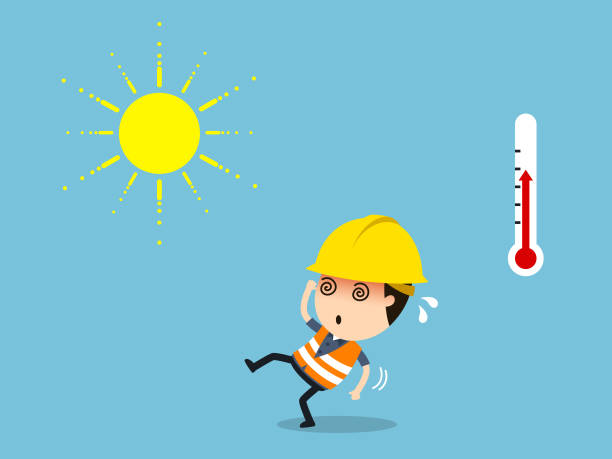
At De La Salle–College of Saint Benilde, students, faculty, and staff participate in many activities both indoors and outdoors. With rising temperatures caused by climate change, the risk of heat-related illnesses has also increased. One of the most serious conditions is heat stroke, which occurs when the body overheats and can no longer cool down properly. Awareness of this danger is important for maintaining health and productivity. Simple habits like drinking enough water can greatly reduce the risk. Taking breaks in shaded or air-conditioned areas also helps prevent overheating. Wearing light and breathable clothing keeps the body cooler during outdoor activities. Safe cooling activities, such as swimming, provide additional protection. Learning about heat-stroke symptoms and basic first aid strengthens community safety. To support everyone’s well-being, we are sharing an informative infographic from Makati Medical Center.
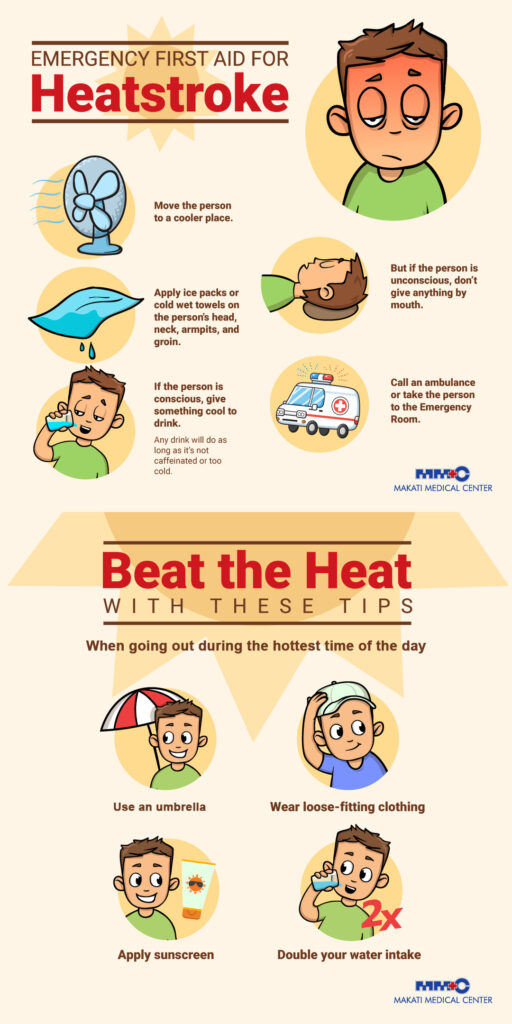
The CHMS aims to raise awareness by educating students and associates about the risks, causes, and symptoms of heat stroke. It promotes prevention by encouraging habits that reduce the chances of heat-related illnesses. Safety measures, such as scheduling activities during cooler hours and providing shaded or ventilated areas, help protect the school community. The initiative also empowers everyone to recognize early signs of heat exhaustion and heat stroke for timely intervention. it also supports a safe learning environment that prioritizes the well-being of all members, especially during high temperatures.
The Health Advisory on Heat Stroke aims to protect the health and safety of students, staff, and the entire school community. It seeks to raise awareness about heat-related illnesses and their risks. The advisory promotes preventive measures to reduce the chances of heat stroke. It emphasizes the importance of taking prompt action if symptoms appear. Overall, it ensures a safer and healthier environment for everyone during periods of high heat.