
As announced by the DOH that the philippines now have cases of Mpox, it is best that we are mindful of the conditions that attribute to such disease, consequently helping stop the spread of the infection.
Mpox, formerly known as monkeypox, is a viral disease that can spread from animals to humans. It causes symptoms such as fever, rash, headache, muscle aches, backache, and swollen lymph nodes. The incubation period usually lasts 7 to 14 days, with symptoms appearing 2 to 4 weeks after exposure. Good hygiene and avoiding close contact with infected individuals are important prevention measures. While there is no specific vaccine for Mpox, smallpox vaccines may provide some protection. Management focuses on supportive care to relieve symptoms and antiviral treatments as prescribed. Infected individuals must be strictly isolated to prevent transmission. Early detection and adherence to health protocols are crucial in controlling the spread. Everyone is encouraged to report confirmed or suspected cases to the Center for Health and Medical Services for timely contact tracing. The attached infographic provides additional facts and guidance about Mpox for the community.
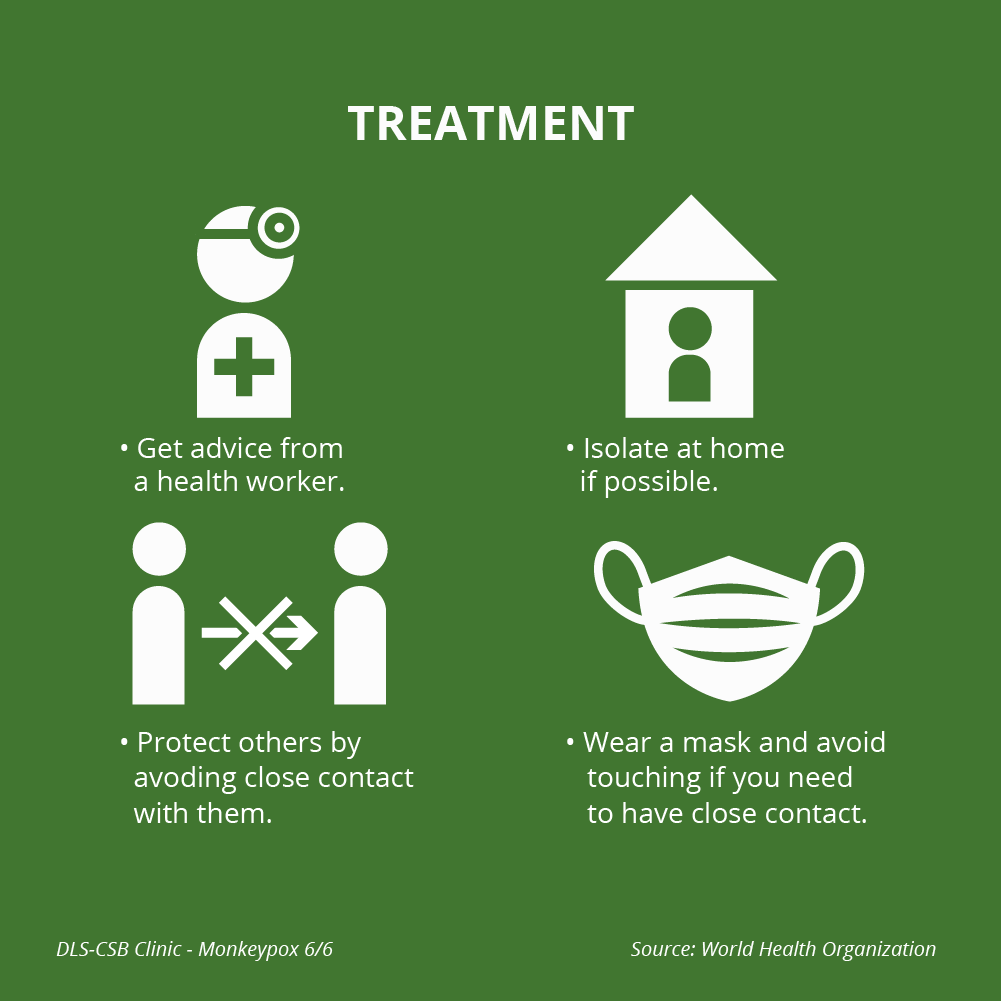
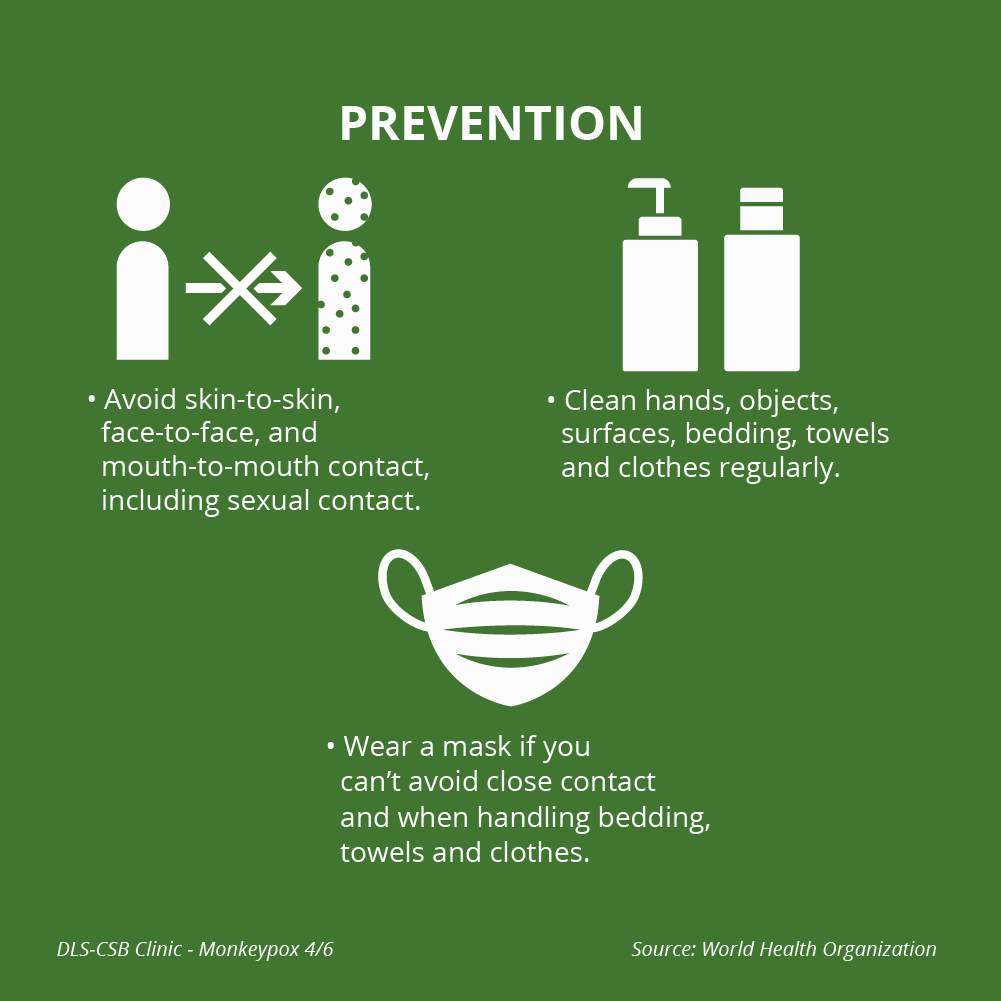
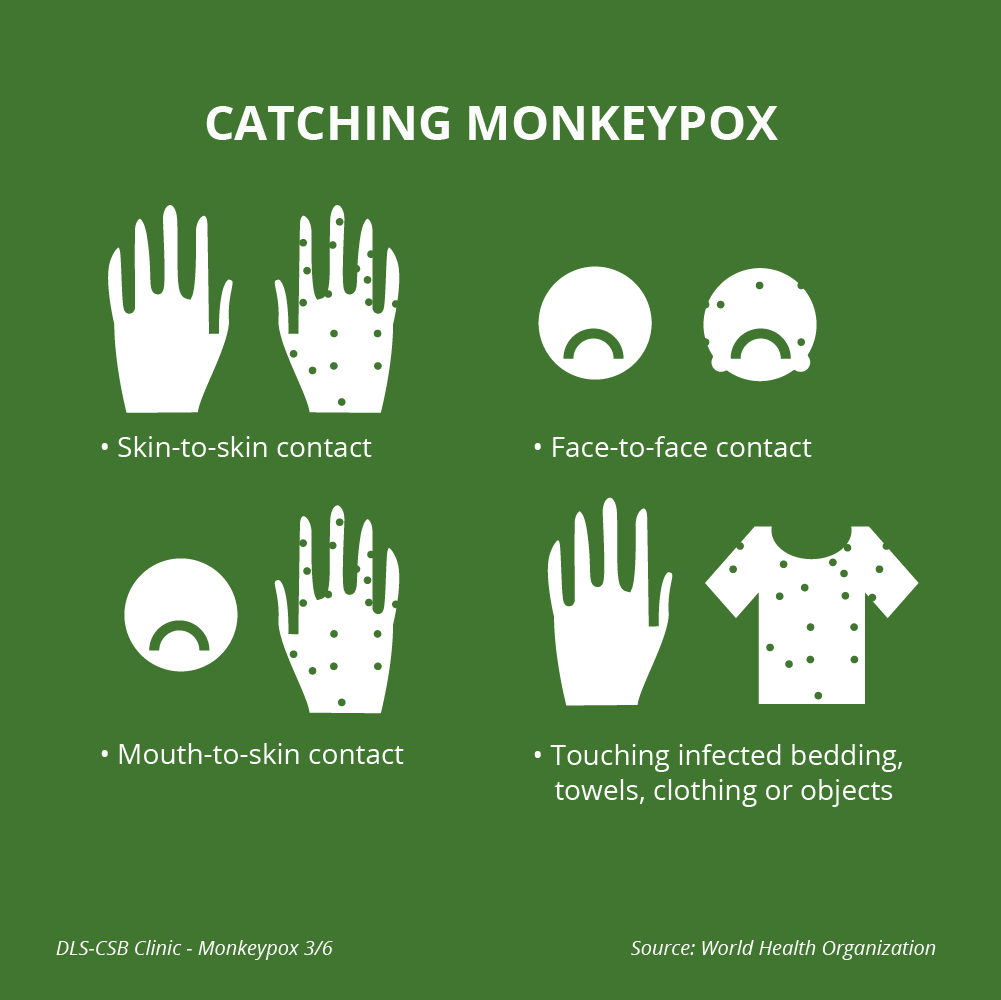
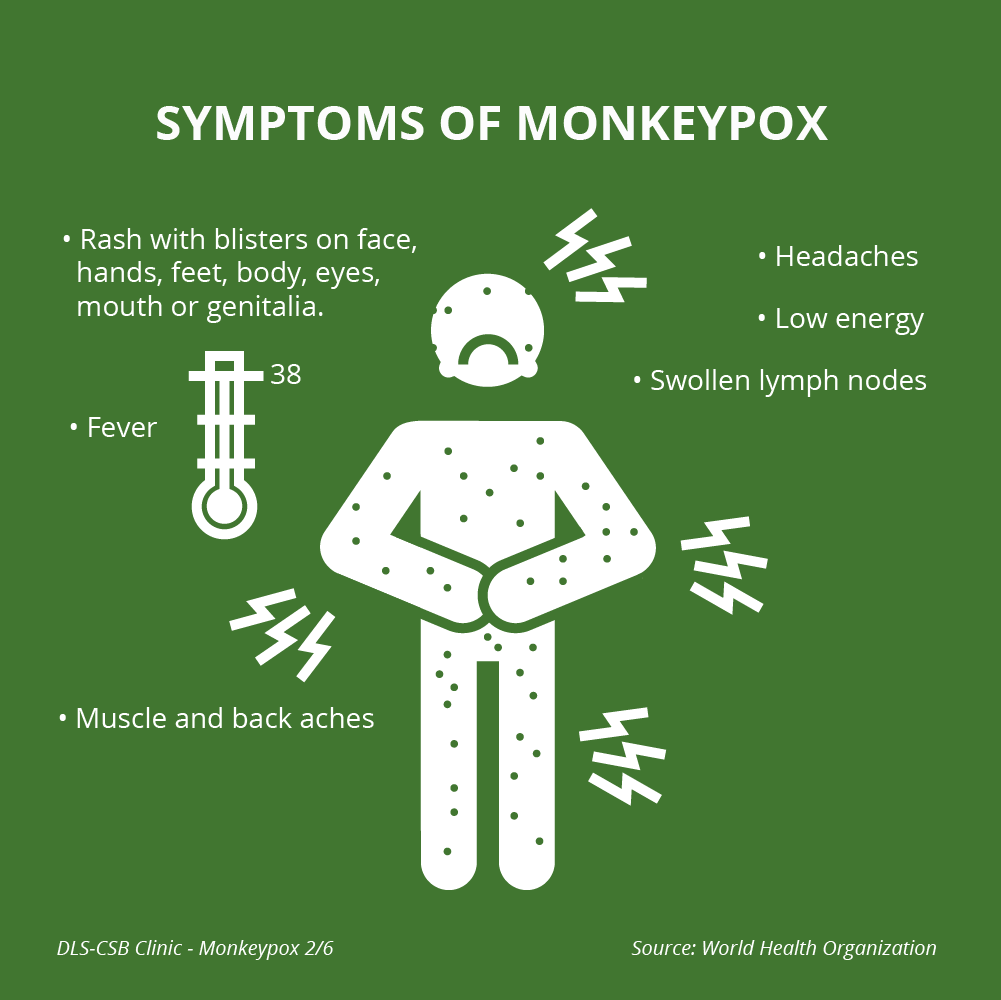
The objective of the program aims to raise awareness about Mpox, including its symptoms and how it spreads. It promotes safe practices to prevent transmission in homes, schools, and public areas. Early detection and reporting are encouraged so individuals can seek medical attention promptly. The initiative supports infection control by guiding proper hygiene, isolation, and protective measures. It also addresses myths and misinformation to reduce fear and stigma. Clear protocols for isolation, contact tracing, and communication are provided in case of exposure or outbreak. Lastly, the program informs the community about the availability, safety, and importance of Mpox vaccination.
The purpose of the program aims to protect public health by preventing the spread of Mpox and reducing the burden on the healthcare system. It empowers communities with accurate information to help individuals and institutions make safe choices. The initiative strengthens preparedness in schools, workplaces, and communities to respond effectively to any cases. It also promotes health equity by ensuring that all members, including vulnerable groups, have access to information and care.